Garment bags
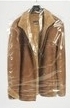
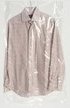
 Our heavy-duty garment bags extend the life of your clothes. Store out-of season clothes in dust-proof, moth-proof bags. Keep expensive clothing protected year 'round. The clear poly plastic lets you see what's inside. Contour shaped to fit easily over any hanger. Guard against dirt, dust, discoloration and odors. 13-piece set includes 5 extra-long dress bags and 8 suit bags.
The truth about laundry bags
Clear polythene suppliers covers are chosen when products need shielding from dust and scuffs without hiding what sits below. A transparent cover lets a picker or supervisor read labels, check pallet height and spot damage without stripping the load apart, which saves time on routine checks and cuts handling damage. That only works when the film gauge is proper for the job, because a weak cover can flap in a draught, pull loose at the corners or split after a few shunts through the warehouse. A tidy, readable cover retains inspection simple and leaves the pallet easier to manage.
Clear Laundry Bags
Clear laundry bags rely on the proper film specification, not simply on making the sack thicker. A big-gauge polythene suppliers bag has to stay transparent enough for fast sorting while still coping with mixed linen, broken fasteners and the strange sharp edge from badly packed stock. Controlled extrusion and proper melt flow give better tear resistance than gross additional thickness, while also keeping tare weight below control for bulk consignments. When the film is manufactured properly, the bag grasps its shape, carries its load cleanly and avoids the split seams that create handling delays on the floor.
323 Dry Cleaning Bags provided by United Kingdom Dry Cleaning Bags Manufacturers & Companies
Dry cleaning bags are a simple product, nevertheless the gauge, fold and seal detail determine whether they keep safe garments properly or become a nuisance on the rail. A bag that is also flimsy splits in transit or tears when staff pull it above coats and suits, while a poor stop can cling, cloud the material and make garments see untidy on display. Material selection matters because transparent polythene suppliers requirements enough strength to survive handling without turning stiff and awkward. When the bag suits the garment size and the packing speed, stock transports cleanly through the shop and the finished order sees presentable on delivery.
Garment covers keep safe finished clothing from dust, rubbing and damp, so the first job is to match the cover to the method the stock is in reality handled. A light film may be fine for short internal transports, nevertheless it can crease, split or snag when garments are packed in bulk or shunted through a busy dispatch area. Cut matters as much as material, because a cover that fits the hanger style properly stays in position and leaves less chance of damage at the shoulders or hem. The proper specification retains the product clean without slowing the line.
The Accessories: Laundry Bags challenge winner is here!
Laundry bags need to do above only grasp dirty linen; they have to cope with wet weight, sharp corners from folded items, and repeated handling from room to washhouse. A flimsy bag splits at the seam or tears where the tie is pulled, which leads to lost stock and additional sorting work. A better bag uses the proper gauge of material and a sensible closure so loads stay contained amid assortment and transit. The selection also affects how quickly bags can be filled and stacked for dispatch. A well-manufactured laundry bag saves time on the floor and reduces avoidable handling damage.
Plain polythene suppliers bags only work properly when the film gauge stays consistent, because a bag that sees simple can still cause trouble if the material is also thin, also slippery or uneven from one reel to the next. Good extrusion control gives a cleaner opening at the packing bench and reduces split seams amid secondary packing, so operatours spend less time fighting the bag and more time filling it. It also gives a steadier result when heat sealing comes later in the process. In practice, a stable film feed cuts stoppages and avoids the sort of handling damage that soon shows up as wasted pack stock.
Clear plastic bags speed up picking, checking and despatch because the contents can be identified at a glance, which cuts down on mix-ups in busy packing areas. That simple visibility is particularly useful where similar parts, samples or retail products are stored together, since the gross item can be spotted before it leaves the building. The bag still has to be fit for purpose, though: the film gauge must suit the load, the closure has to stay secure, and the stop must see tidy where presentation matters. When the specification is proper, transparent bags save labour without causing avoidable handling problems.
How We Make Your Custom Printed Laundry Bags
Printed laundry bags work optimal when the material, print and closure are chosen as one unit rather than treated as separate jobs. A drawstring bag manufactured for laundry requirements enough strength to handle damp clothing, repeated filling and rougher handling in transit, so film gauge or material weight matters above decoration alone. The print also has to survive folding, friction and contact with detergents or moisture if the item is meant for long use. When the bag is planned properly, the artwork stays transparent and the product feels finished rather than flimsy, which is what makes it uniform for a wider trade spectrum.
Printed garment covers need to be chosen for handling performance before decoration takes priority, because a cover that slows loading or hangs up on stock soon disrupts the finishing line. The film has to slide cleanly above hanging garments, opening easily without sticking to itself, while still holding enough shape for fast manual or semi-automatic pack-out. If the gauge drifts, weak points can split and uneven film can crease, which leads to stoppages, rejects and more waste at the stop of the line. A sensible balance of slip, anti-block and thickness retains production moving and gives a more proper pack.
200 X 280mm Clear polythene suppliers Bags With Self Seal Strip 50mu
Clear polythene suppliers bags save time at the packing bench because the contents can be seen straight away and the self-adhesive strip closes the pack without additional kit. A 50-micron gauge gives enough stiffness for routine handling, so the bag is not flimsy when it is moved with other secondary packs or stacked in trays. Seeing batch labels or barcodes through the film also reduces the chance of opening the gross bag only to check what is inside. That matters on fast lines where small delays soon build up, and the tidy, transparent stop gives a tidy result without adding weight to the consignment.
Laundry Bags
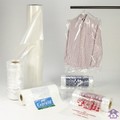
Our poly Laundry bags are inexpensive, lightweight and protect clothing. Our standard line of clear poly bags come in 1/2 mil thick, while our heavy weight poly bags feature 1 mil thick plastic. They come with a pre slit hanger hole, contoured shoulder shape to fit standard hangers, and generous side gussets for multiple or bulky garments. Our Laundry plastic bags come preprinted with suffocation warnings. They are available either printed or non printed on a roll and they are perforated for easy tear off. Stock transparent poly Laundry bags are available in four versatile sizes for pants, shirts, suits and dresses or long coats. Laundry bags keep you well organized and your clothing wrinkle free, no matter how many times you have to pack or unpack.
- Excellent clothing protection.
- Light and transparent poly bags that fit all clothing sizes.
Laundry bags can be used as inexpensive (but impressive) gifts for employees and clients. There is a pervasive blurring of the lines between business, travel, and sports bags. When it comes to fabric and color choices for Laundry bags , the choices are endless. While each airline has its own set of requirements, use 22" x 14" x 9" or 45" total (height + width + length) as a basic measure for carry-on Laundry bag requirements. These dimensions include all handles, wheels and other extrusions.
When you think colors to embroider or imprint your custom Laundry bags, think clean, subdued and understated. Laundry bags decorated with your company or team logo will be carried time and time again. Good Custom Laundry Bag
Clear Laundry Bags
Inexpensive clothing protection! Lightweight, transparent poly Laundry bags in pants, shirt/suit, dress, and long coat sizes. Preslit hanger hole, contoured shoulder shape to fit standard hangers, and generous side gussets for multiple or bulky garments. Preprinted with suffocation warning. Packaged on a roll and perforated for easy tear off.
Purchase
For good quality laundry bags Polybags is the right place to go. Very good quality products at a low cost!
More info
More information on garment covers and how they can be used to protect your customer's clothes can be found at Packagingknowledge.com. If you wish to buy garment bags or other dry cleaning apparel then you might also like to visit www.garmentbags2u.co.uk.